If you are drawn to space, privacy, and a quieter daily rhythm, Weston may already be on your radar. Larger-lot living can feel like a real upgrade, but it also comes with practical tradeoffs that are worth understanding before you buy. In Weston, CT, those tradeoffs are shaped by zoning, open space, wooded settings, and a town layout that puts nature and residential character front and center. Let’s take a closer look.
What larger lots mean in Weston
Weston is officially organized around a two-acre residential and farming district. Current zoning regulations require a minimum lot area of two acres for standard lots, along with a 170-by-200-foot buildable rectangle and at least 170 feet of frontage.
In real life, that framework often creates more separation between homes, deeper setbacks, and larger yards than you may find in denser Fairfield County towns. It also supports the mature tree cover and open-space feel that many buyers associate with Weston.
The town describes itself as a residential community about 45 miles from New York City with minimal commercial development and abundant open space. That combination helps explain why Weston feels distinctly different from towns where homes sit closer together and retail is spread more widely.
Why buyers are drawn to larger lots
For many buyers, the appeal starts with privacy. A bigger lot can mean more distance from neighbors, more room to shape outdoor living space, and more flexibility for how you use the property day to day.
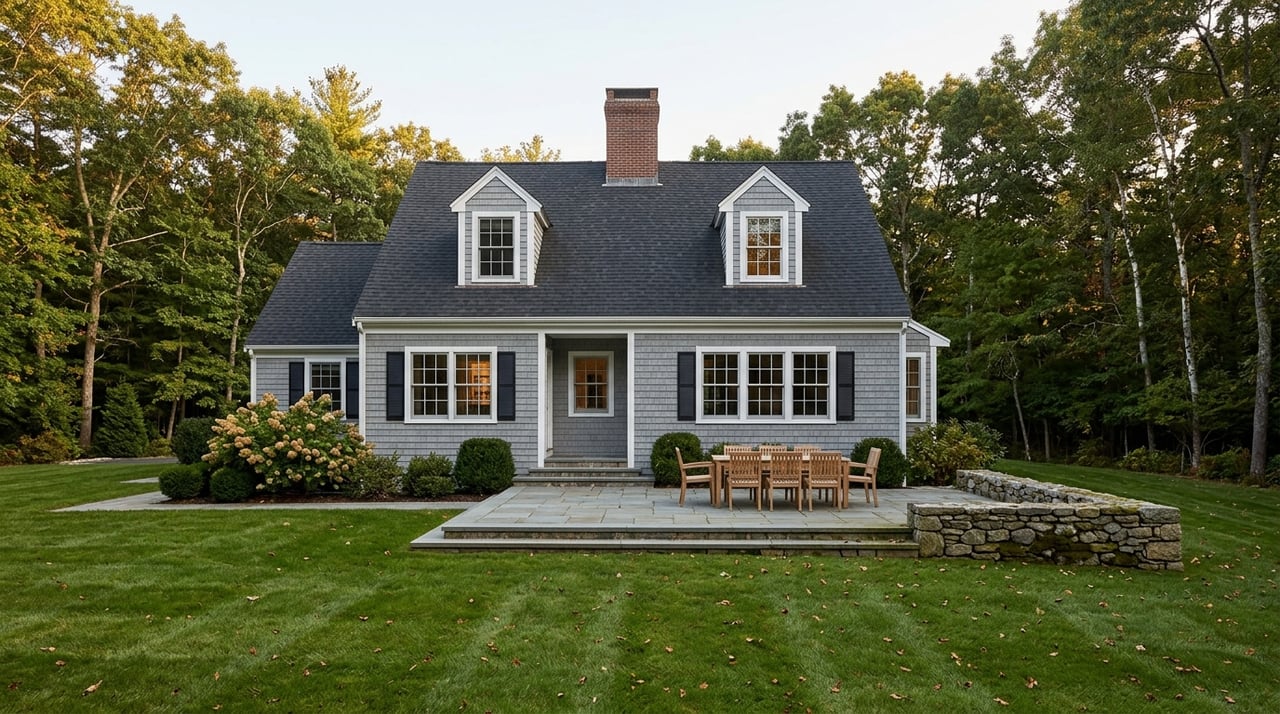
You may also appreciate the visual calm that comes with a wooded setting. In Weston, mature trees and open land are a major part of the landscape, which can make home feel more tucked away and connected to nature.
This kind of setting often works well if you want space for pets, gardens, or simply a quieter backdrop to everyday life. It can be especially appealing if you are moving from a denser town and want a little more breathing room without leaving lower Fairfield County.
How Weston feels day to day
Weston’s official profile describes the town as rural in tone, but still convenient for core needs. There are no heavily trafficked commercial roads, and Town Center serves as the main commercial meeting point.
Town Center includes a market, bank, dry cleaner, real estate office, post office, spirits shop, restaurant, and gas and service station. The four-school campus, Town Hall, library, and municipal offices are also located close by.
That means daily life can feel simple and efficient for basic errands, especially if you are near the center of town. At the same time, Weston is generally more car-oriented than a town where you can walk everywhere.
The Census Bureau reports a mean commute time of 46.6 minutes for Weston workers. That figure suggests many households build their routine around regional commuting rather than short local trips.
Can you walk to everyday needs?
In most cases, walking access depends heavily on where you live in town. The commercial services are concentrated around Town Center, so homes near that area may offer easier access to a few daily stops.
Elsewhere in Weston, driving is usually part of the routine. That is important to keep in mind if walkability is high on your wish list.
The town is investing in pedestrian improvements around the center. Recent and ongoing projects include sidewalk and crossing work designed to improve traffic flow, increase pedestrian safety, and support walking near Town Center, schools, and municipal buildings.
Outdoor space is a real part of life
Weston’s long-range planning documents describe the town as being defined by mature trees, open space, and water resources. Those features are not just scenery. They shape what it feels like to own and care for property here.
Open space and recreation account for more than 28% of Weston’s total land area. The town highlights outdoor destinations including a 36-acre town-owned dog park, Lachat Town Farm, and preserved nature areas such as Devil’s Den.
Devil’s Den is a major part of Weston’s identity. The town identifies it as the Nature Conservancy’s largest continuous preserve in Connecticut and the largest tract of protected land in densely developed Fairfield County.
If you love trails, tree cover, and time outdoors, that setting can be a meaningful part of your lifestyle. In Weston, outdoor space is not just something you visit on weekends. It tends to be woven into everyday living.
The maintenance side of larger-lot living
More land usually means more upkeep. In Weston, that can include mowing, leaf cleanup, tree management, driveway care, and attention to well and septic systems.
That is not a published checklist from the town, but it is a practical takeaway from Weston’s larger-lot pattern, wooded landscape, and infrastructure profile. Town planning materials note that households rely heavily on wells and septic systems, which makes property ownership here different from living in a denser area with more centralized utility infrastructure.
Weston’s Public Works department plows, sands, and salts town roads during storms. Even so, larger-lot living still tends to suit homeowners who are comfortable with the responsibilities that come with more land.
A stable, established housing environment
Weston’s housing profile suggests a settled, owner-occupied market. The Census Bureau estimates 10,517 residents, a 96.9% owner-occupied housing rate, and a median owner-occupied home value of $996,700.
The same source reports that 90.5% of residents live in the same house year over year. While every buyer’s timeline is different, those numbers point to a community where many people stay put and put down long-term roots.
For some buyers, that kind of stability is a real draw. It can signal a residential environment that feels established rather than fast-changing.
Community rhythm in Weston
Weston’s pace is often shaped by schools, recreation, and local involvement. Weston Public Schools are located on a 117-acre wooded campus, and the town highlights a long tradition of volunteerism.
Parks and Recreation operates parks, fields, courts, the middle school pool, and youth programs including camps, classes, sports, and aquatics. Those amenities help create an active local rhythm, even in a town that feels quieter and more spread out.
A recent community survey also found that open space and hiking trails are broadly viewed as about right, while sidewalks and biking trails are more often seen as too limited. That lines up with Weston’s overall character: strong outdoor access, but not an everywhere-on-foot layout.
Who larger-lot living fits best
Larger-lot living in Weston is often a strong fit if you value privacy, natural surroundings, and outdoor room. You may be especially comfortable here if you like a slower pace, do not mind driving for many errands, and want your property to feel like a retreat.
It can also be a smart match if you are looking for a more established residential setting with strong owner occupancy and a landscape shaped by open space. For buyers coming from denser neighborhoods, Weston can offer a noticeable change in feel.
On the other hand, this lifestyle may be less appealing if you want dense retail nearby, highly walkable daily convenience, or very low-maintenance grounds. The right fit comes down to how you want to live, not just how much square footage sits on the lot card.
What to think through before you buy
Before buying a larger-lot home in Weston, it helps to think beyond the house itself. Consider how much outdoor maintenance you want to handle, how important proximity to Town Center is, and whether a car-oriented routine works for you.
You should also think about how you plan to use the land. A bigger yard can be a major asset, but only if it supports the lifestyle you actually want.
In a town like Weston, the property and the setting are closely connected. When both fit your priorities, larger-lot living can offer a level of privacy and everyday calm that is hard to replicate elsewhere.
If you are weighing whether Weston’s larger-lot lifestyle is the right match for your next move, working with a local agent who understands the town’s neighborhoods, land patterns, and day-to-day realities can make the search much more focused. To explore Weston homes or talk through what kind of property best fits your goals, connect with Sandra Calise Cenatiempo.
FAQs
What does a larger lot usually mean in Weston, CT?
- In Weston, standard residential lots generally follow a two-acre minimum zoning framework, which often results in more space between homes, deeper setbacks, and larger yards.
Is Weston, CT walkable for daily errands?
- Usually only in and around Town Center, where the town’s main commercial services are concentrated. Many daily routines in Weston are still car-oriented.
What is the lifestyle like on wooded lots in Weston?
- Wooded lots in Weston often offer privacy, tree cover, and a strong connection to open space, but they also usually come with more maintenance such as leaves, mowing, tree care, and driveway upkeep.
Does Weston, CT have a rural or suburban feel?
- Official town materials describe Weston in clearly rural terms, while still noting access to core services, schools, and municipal buildings.
What should buyers know about maintaining property in Weston?
- Buyers should be prepared for the upkeep that often comes with more land and should understand that households in Weston rely heavily on wells and septic systems.
Who is a good fit for larger-lot homes in Weston?
- Buyers who value privacy, outdoor space, mature trees, and a quieter pace are often a strong match for Weston’s larger-lot lifestyle.