Trying to decide if Westport, Weston, or Wilton is the better fit for your next move? You are not alone. Each town offers a different mix of price, lot size, and commute convenience, and that can make the choice feel overwhelming. In this guide, you’ll get a clear, side‑by‑side look at housing, budgets, and lifestyle trade‑offs so you can focus your search with confidence. Let’s dive in.
Market snapshot: price context for 2026
Early 2026 market snapshots show a clear price spread between these three neighboring towns. Westport sits at the top, with a median sale price around the low $2 million range in February 2026 based on public trackers and county reports using three‑month medians. Weston trends lower, with a three‑month median around the low $1 million range in that same window. Wilton typically lands slightly below Weston, with a three‑month median near the mid‑$1.3 million range, while many active listings show higher ask prices depending on inventory.
Different data sources use different methods, which is why medians can vary from month to month. Closed‑sales medians, listing medians, and index estimates each tell a slightly different story. What matters for your search is the general pattern: Westport commands a coastal premium, while Weston and Wilton deliver more house and land for the money inland.
Housing character and styles
Westport homes: coastal mix and village life
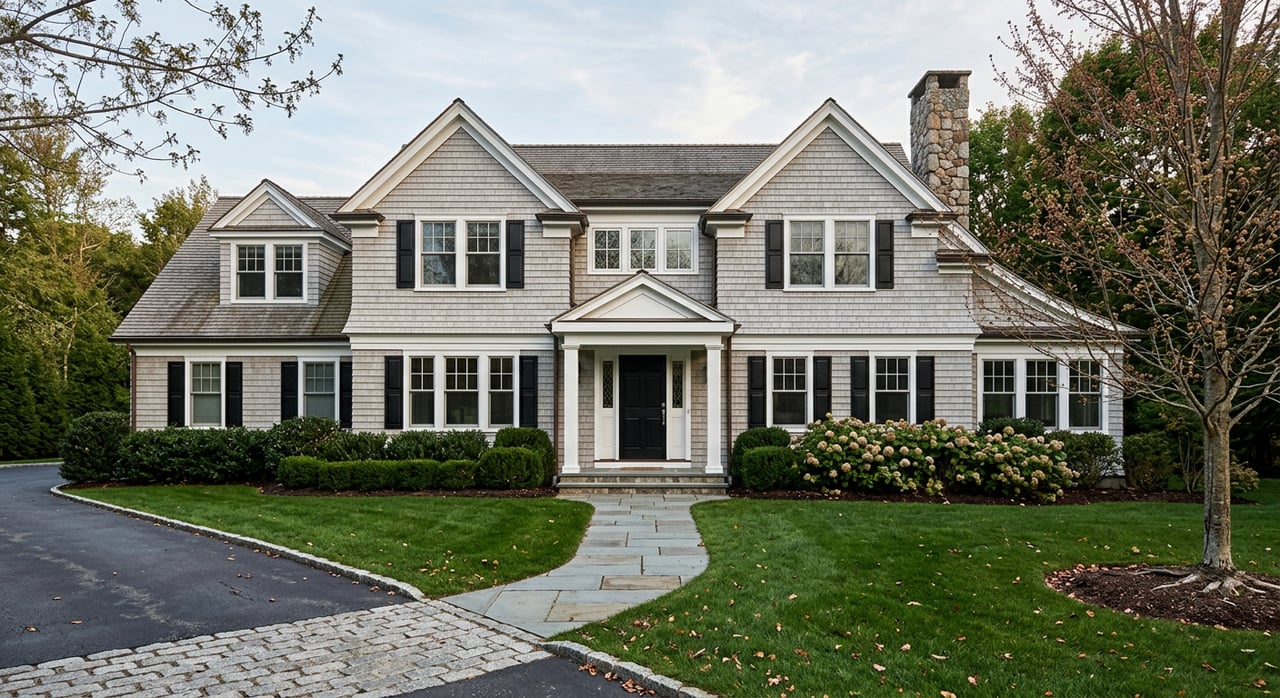
Westport combines beach neighborhoods, historic village pockets, and inland streets with mid‑century and newer builds. You will see classic shingle‑style and Colonial homes, renovated Victorians, and contemporary waterfront rebuilds. If you care about town design context, the local Westport design guidelines highlight the town’s emphasis on cohesive, New England character even as styles vary.
Weston homes: wooded privacy and acreage
Weston is intentionally low‑density, with long driveways, deep setbacks, and a quiet, woodland feel. Architecture often includes classic Colonials, mid‑century moderns, and custom estate homes. If you want space, this is where you typically trade a slightly longer commute for larger properties and privacy.
Wilton homes: village pockets and larger lots
Wilton offers a middle ground. Near Wilton Center and Cannondale, you find a walkable village feel and smaller lots. Move outward and you see larger parcels with a mix of renovated farmhouses, ranches, Colonials, and updated contemporaries. The result is a range of options that balance land, convenience, and value.
Lot sizes and property types
- Westport: Lot size varies widely by neighborhood. Historic village streets and shorefront blocks can sit on smaller parcels, while inland areas include conventional suburban lots and some larger estates. Westport’s zoning districts set different minimums for lot size and coverage, with special rules in historic and downtown areas. If you plan to expand or add structures, review the Westport zoning code for district‑by‑district requirements.
- Weston: Larger, wooded parcels are common. Many homes sit on 2 to 3 or more acres, and estate properties can reach 5 acres or above. Expect natural buffers, mature trees, and quiet roads.
- Wilton: Typical single‑family lots often range from about 1 to 3 acres. Closer to Wilton Center and Cannondale, lots are smaller, while outer‑area homes trend larger. Zoning varies by sub‑district, so confirm what is allowed on a specific parcel before you plan changes.
Price bands buyers actually see
Every home is unique, but practical search bands can help you set expectations.
- Westport: Many single‑family buyers filter from roughly $1.2 million to $3 million. Renovated, new‑build, and waterfront properties often trade higher, and premium shoreline estates can climb well above $3 million.
- Weston: A wide share of marketable single‑family homes falls in the $700,000 to $1.8 million range, with larger acreage and custom estates moving above $1.8 million.
- Wilton: Typical single‑family listings often span $800,000 to $1.6 million. Renovated properties on larger parcels can push higher in select micro‑markets.
Use these bands as a starting point. Once you narrow by town, refine your filters further by lot size, age of construction, and renovation level.
Commute and lifestyle trade‑offs
Westport: main‑line rail and coastal perks
Westport sits on Metro‑North’s New Haven Line, which generally offers more frequent service and faster express options to Grand Central than branch‑line towns. Depending on your train and first‑mile connection, many commuters plan for roughly 70 to 90 minutes door to desk. Daily life here often centers around the water. Compo Beach and Sherwood Island anchor the lifestyle for many residents.
Weston: no station, bigger lots
Weston has no train station. Most commuters drive to stations in neighboring towns, often Westport, which can add 15 to 20 minutes to the front end of a trip. In exchange, you typically get more space, privacy, and a quieter residential feel.
Wilton: Danbury Branch options
Wilton’s Danbury Branch stations at Wilton and Cannondale generally require a transfer at South Norwalk or Stamford for many Manhattan‑bound trips. Door‑to‑Grand Central times often run about 75 to 95 minutes depending on the schedule, as noted in Wilton’s planning appendix. Drivers use the US‑7 corridor for access to nearby job centers and I‑95.
Tip: Test your commute before you buy. Ride the morning train you expect to use, and check station parking or permit rules. A quick dry run can clarify door‑to‑desk timing.
How to choose: a simple checklist
Use this quick filter to focus your search.
- Budget: Start with your comfort range, then layer in likely renovation or carry costs.
- Lot size: Decide if you want a small, low‑maintenance parcel, a traditional yard, or multiple acres with privacy.
- Commute: Pick your must‑have time window and whether you want main‑line rail, a branch‑line option, or a drive to the station.
- Lifestyle anchors: Do you value beach and downtown access, or wooded trails and quiet roads?
- Flood and coastal factors: In Westport’s shore areas, review flood maps and property‑specific history before you bid. Ask for elevation certificates where applicable.
- Zoning: If you plan to add a pool, guest space, or an accessory building, confirm rules early. Westport’s districts vary by lot coverage and size; start with the zoning code and your target address.
What to expect in each town’s search
If you prioritize coastal access and walkability
Westport is your likely match. You will find village‑area homes and beach‑neighborhood properties with higher value per square foot. Expect smaller shore parcels, a premium for proximity to the water, and an active mix of renovated homes and new construction.
If you want acreage and privacy
Weston often delivers the most land for the price within this trio. You will see 2 to 3 or more acres as common, deeper setbacks, and long driveways. The trade‑off is driving to a nearby station and fewer village‑center amenities.
If you want a middle ground
Wilton balances larger lots with a small‑town center and branch‑line access. Many buyers find more space than Westport’s walkable neighborhoods and a broader value range than Westport’s coastal premium, while staying closer to a train than many Weston addresses.
Smart next steps
- Tour across town lines on the same day. Seeing a Westport beach‑area home right after a Weston acreage property makes trade‑offs very clear.
- Time your commute trial. Ride the AM train you expect to take. If you will drive to the station, arrive when you would on a normal weekday.
- Check the lot details. Confirm acreage, setbacks, wetlands, and any easements before you fall in love. If you aim to renovate or add, review the Westport zoning code and speak with local officials for the property’s district.
- Ask for a comp set. A recent three‑month closed‑sale comp group helps you see real trading levels beyond list prices.
If you are weighing Westport against Weston or Wilton, you do not have to figure it out alone. With decades of local experience across all three markets, Sandra Calise Cenatiempo can help you compare homes, lots, commute options, and long‑term value so your decision feels clear and confident.
FAQs
How do Westport home prices compare to Weston and Wilton in 2026?
- Early 2026 snapshots place Westport’s median sale price in the low $2 million range, while Weston trends in the low $1 million range and Wilton near the mid‑$1.3 million range; month‑to‑month medians vary by data source and inventory.
What lot sizes are typical in Westport, Weston, and Wilton?
- Westport varies by neighborhood from smaller village and shore parcels to larger inland lots; Weston commonly offers 2 to 3 or more acres; Wilton often ranges from about 1 to 3 acres, with smaller lots near village centers.
Is commuting to NYC faster from Westport than Wilton?
- Generally yes. Westport is on the main New Haven Line with more frequent express trains, while Wilton’s Danbury Branch typically involves a transfer; plan roughly 70 to 90 minutes from Westport and about 75 to 95 minutes from Wilton depending on schedule and first‑mile time.
Are there flood considerations for Westport waterfront areas?
- Yes. Shoreline neighborhoods can involve coastal flood risk and higher value per square foot; review FEMA flood maps, elevation certificates, and property‑specific history before you bid.
How do zoning rules affect additions or accessory buildings in Westport?
- Rules vary by district for lot size and coverage; confirm for the specific address and review the Westport zoning code before planning an addition, pool, or accessory structure.
What lifestyle differences stand out across the three towns?
- Westport centers on coastal amenities and a lively village feel, Weston on wooded privacy and acreage, and Wilton on a balance of land and small‑town convenience with branch‑line rail access.