Choosing between a historic home and a new build in Westport is not just about style. It is about how you want to live, what kind of upkeep you can comfortably handle, and how much flexibility you want after you move in. If you are weighing charm against convenience, this guide will help you compare the real trade-offs in Westport so you can make a confident decision. Let’s dive in.
Why This Choice Matters in Westport
Westport is a high-value, owner-occupied housing market, with owner-occupied housing rates reported at 88.8% in recent Census QuickFacts and median owner-occupied home values around $1,405,200. In a market like this, buyers tend to think carefully about both lifestyle fit and long-term value.
Westport’s planning documents also show why both historic homes and new builds can perform well here. The town’s location in the New York City region, train access, amenities, and broader housing demand all support buyer interest across different property styles. In other words, this is not a market where one type automatically wins.
What Gives Historic Homes Their Appeal
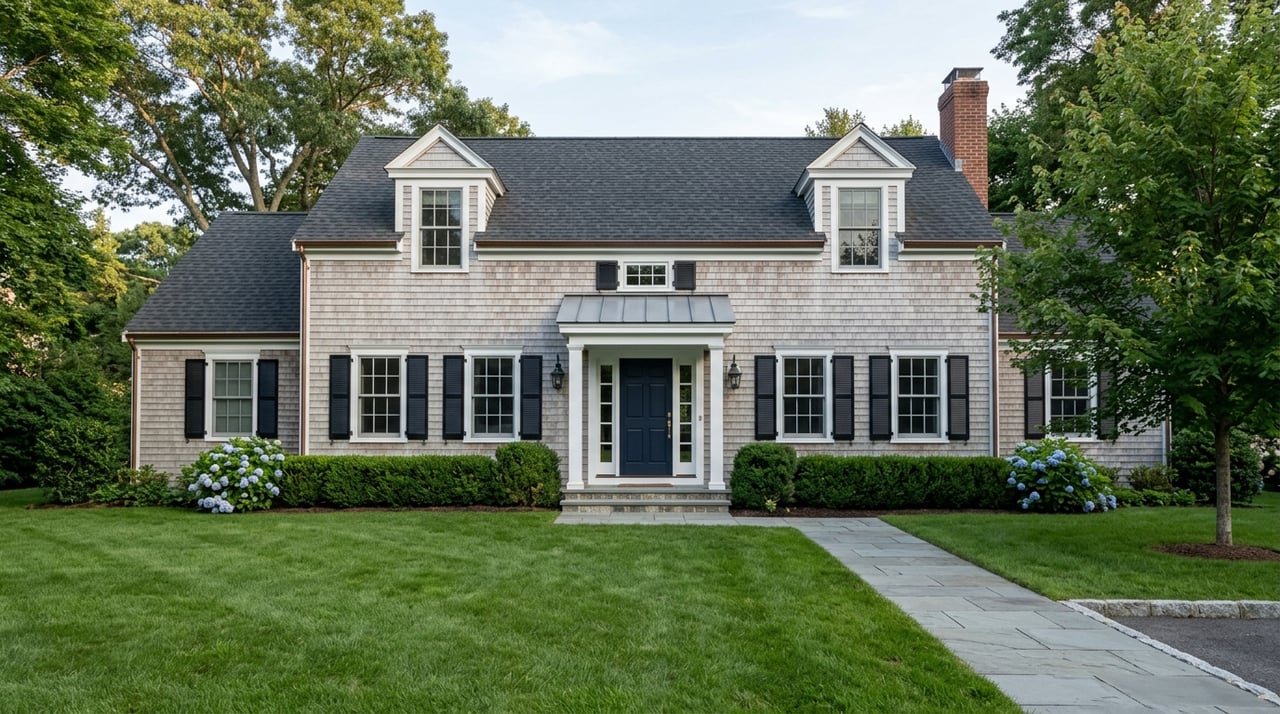
Westport has a rich architectural story. The town officially describes its historic fabric as a mix of colonial homesteads, Victorian maritime homes, country estates, seaside cottages, and comfortable suburban homes. That variety is a big part of why older homes feel so distinctive here.
For many buyers, the draw is simple: character. Historic homes often offer architectural detail, mature landscaping, and a sense of place that is hard to recreate in newer construction. In Westport, that appeal is often associated with older areas such as Green’s Farms, Compo, Old Hill, Saugatuck, and Westport Center.
Westport historic districts and properties
Westport’s Historic District Commission regulates seven local historic districts and 22 local historic properties. The local historic districts include:
- Kings Highway North
- Jesup Road
- Evergreen Avenue
- Gorham Avenue
- Lincoln Street-Riverside Avenue
- Morningside Drive South
- Violet Lane
These designations matter because they can affect what you are allowed to change on the outside of a home.
What buyers should know about renovation rules
If a property is in a local historic district or is a designated local historic property, certain exterior work visible from a public street requires a Certificate of Appropriateness from Westport’s Historic District Commission. The Building Department requires that approval before issuing a building permit for covered work.
That does not mean you cannot improve the home. Westport’s Historic District Commission does not regulate interior alterations, which means you can often update kitchens, bathrooms, floor plans, and mechanical systems without HDC review. For many buyers, that creates a useful middle ground: preserve the exterior character while modernizing how the home lives inside.
One important myth to avoid
A historic plaque or an older-looking home does not automatically mean the property is locally designated. In Westport, local designation is what triggers the strongest design-review process. State or national register status alone does not create the same local review rules.
That is an important distinction if you are buying an older home with future plans in mind. Before you fall in love with a property, it helps to confirm exactly what kind of designation, if any, applies.
What Makes New Builds Attractive
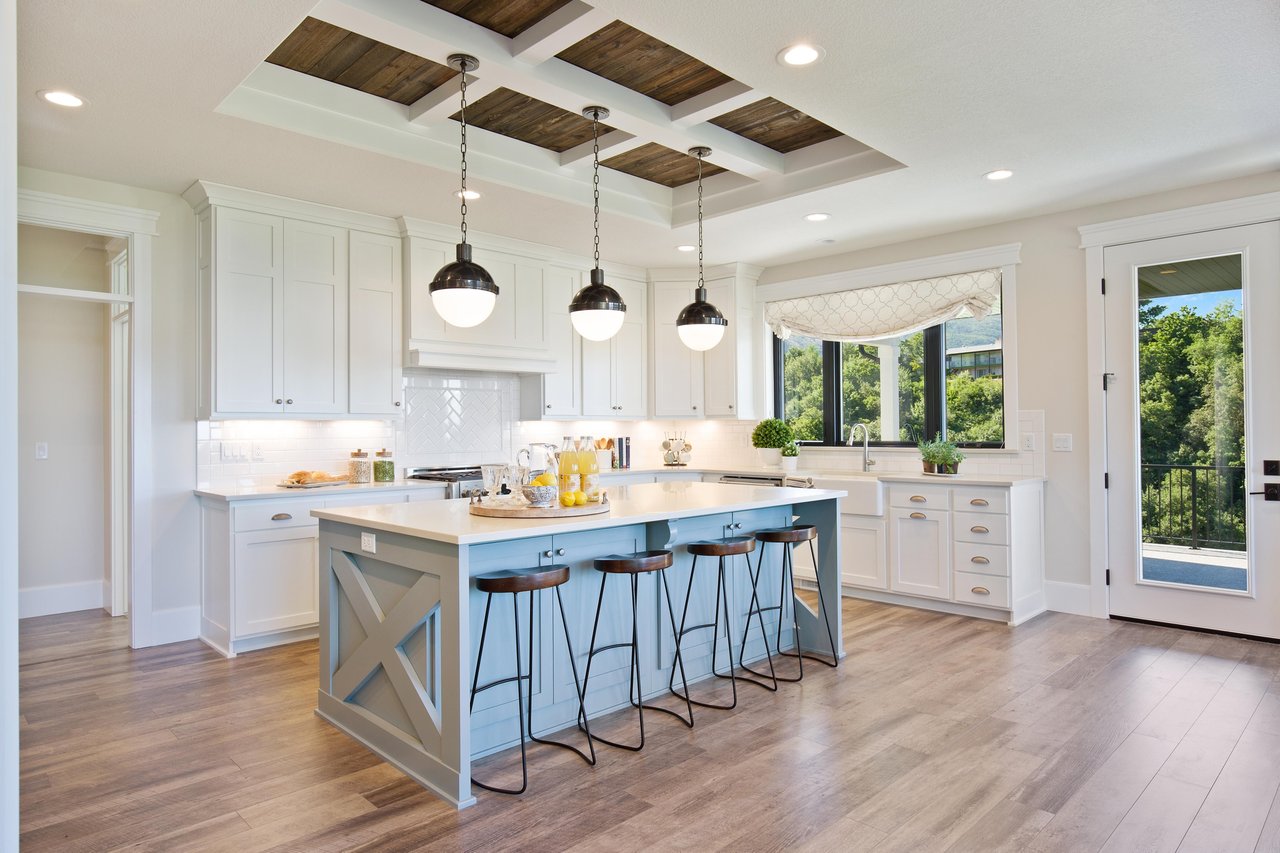
If your priority is convenience, a new build may feel like the easier fit. Many buyers are drawn to newer homes because they typically offer updated systems, more open layouts, and fewer immediate projects after closing.
In Westport, that can be especially appealing. Given the town’s high home values and the cost of carrying a property, many buyers prefer a more turnkey purchase with fewer near-term maintenance surprises.
Energy efficiency can be a real advantage
Certified new homes can offer measurable performance benefits. ENERGY STAR says certified new homes are independently verified and at least 10% more energy efficient than homes built to code. ENERGY STAR NextGen homes average about 20% more energy efficiency than typical code-built homes.
That can mean lower utility costs, more consistent comfort, and less guesswork in the first few years of ownership. Still, not every new build is automatically high-performing, so inspections and performance checks still matter.
Westport new builds are often rebuilds
In Westport, new construction is not always the same as a brand-new subdivision home. Town planning documents note that lot sizes vary widely, from roughly two acres in northern parts of town to smaller lots in older neighborhoods and shoreline areas.
That means many new builds in Westport are rebuilds or infill homes on older lots. This is part of the local reality: preservation and redevelopment often exist side by side.
The Hidden Costs to Think About
The best choice is not always the one with the prettiest photos. It is the one that fits your timeline, budget, and tolerance for projects.
Historic homes may need more system review
Older homes often deserve extra attention for air leakage, insulation, moisture, ducts, and aging mechanical systems. The U.S. Department of Energy recommends starting with a home energy assessment for existing homes, then addressing issues like air sealing, insulation, moisture repair, duct sealing, and equipment upgrades.
That does not mean an older home is a bad investment. It means you should separate cosmetic charm from system condition. A beautiful exterior and lovely original details do not tell you everything about the roof, HVAC, drainage, or insulation.
New builds still need due diligence
A new home may offer fewer early repairs, but it is still worth looking closely at build quality. New construction can vary, and even recently built homes may still have opportunities for better energy performance.
If you are buying new, ask for details on materials, systems, and any third-party energy certifications. A clean finish does not always tell the full story about long-term performance.
Westport Rules That Can Affect Your Decision
Westport has a few local rules that are especially important if you are comparing an older house with a rebuild opportunity.
Demolition delay can affect timing
Westport has a 180-day demolition delay for buildings that are 500 square feet or larger and at least 50 years old. Even outside a local historic district, this can add time and uncertainty if your plan is to tear down and build new.
So if you are looking at an older property mainly for the lot, make sure you understand how that delay could affect your schedule. In some cases, the lot may be attractive, but the timeline may not match your goals.
Historic designation is permanent
Westport’s Historic District Commission notes that local historic designation stays with the property and transfers to future owners. If you buy a designated home, those rules do not disappear when ownership changes.
That is not necessarily a drawback. For some buyers, it is part of the appeal because it helps preserve the visual character of the streetscape. But it is something you should know before you buy.
A Simple Way to Decide
If you are torn between the warmth of an older home and the convenience of newer construction, this framework can help.
A historic home may fit you best if
- You value architecture, mature landscaping, and neighborhood continuity.
- You are comfortable budgeting for maintenance and phased updates.
- You like the idea of updating the interior while preserving exterior character.
- You want to explore whether the home qualifies for Connecticut’s Historic Homes Rehabilitation Tax Credit.
Eligible homeowners may be able to receive a 30% return of up to $30,000 for rehabilitation work on a qualifying historic home listed on the State or National Register, as long as it is the owner’s primary residence and the project meets program requirements.
A new build may fit you best if
- You prioritize energy performance and lower first-year maintenance.
- You want a more open and modern layout.
- You prefer fewer design-review constraints.
- You want a more predictable first few years of ownership.
Questions to Ask Before You Buy
Before you make an offer on either type of property, ask these practical questions:
- Is the home in a local historic district or a designated local historic property?
- Will exterior work visible from the street require HDC approval?
- If the home is older, what are the ages and conditions of the roof, HVAC, windows, insulation, and drainage?
- Should you budget for a home energy assessment before or soon after closing?
- If the property is historic, could it qualify for the Connecticut Historic Homes Rehabilitation Tax Credit?
- If your plan involves demolition, could Westport’s 180-day demolition delay apply?
These questions can help you avoid surprises and compare homes more clearly.
The Best Westport Choice Is Personal
In Westport, historic homes and new builds both make sense for different reasons. Older homes offer character, established settings, and a tangible connection to the town’s architectural history. Newer homes often offer efficiency, modern layouts, and a more turnkey experience.
Because Westport supports demand for both, the better choice usually comes down to your lifestyle and priorities, not a simple rule about resale. When you look beyond surface appeal and focus on regulations, system condition, and how you want to live day to day, the right answer becomes much clearer.
If you are comparing historic charm and new construction in Westport, having local guidance can make the process much easier. For thoughtful, neighborhood-specific advice on your next move, connect with Sandra Calise Cenatiempo.
FAQs
What should Westport buyers know about local historic districts?
- In Westport, homes in a local historic district or designated local historic property may need Historic District Commission approval for certain exterior work visible from a public street.
What makes a historic home in Westport appealing to buyers?
- Many buyers are drawn to historic homes for their architectural detail, mature landscaping, and strong sense of neighborhood character.
What are the benefits of buying a new build in Westport?
- New builds often appeal to buyers who want updated systems, modern layouts, lower early maintenance needs, and the potential for better energy efficiency.
Can you renovate the inside of a historic home in Westport?
- Yes. Westport’s Historic District Commission does not regulate interior alterations, so many interior upgrades can be made without HDC review.
Does an older home in Westport always have strict historic protections?
- No. A home’s age or a historic plaque does not automatically mean it has local historic designation. Local designation is what triggers Westport’s strongest review process.
Do older homes in Westport need more inspection and planning?
- Yes. Buyers should pay close attention to insulation, moisture, air leakage, ducts, drainage, windows, roofing, and mechanical systems when evaluating an older home.