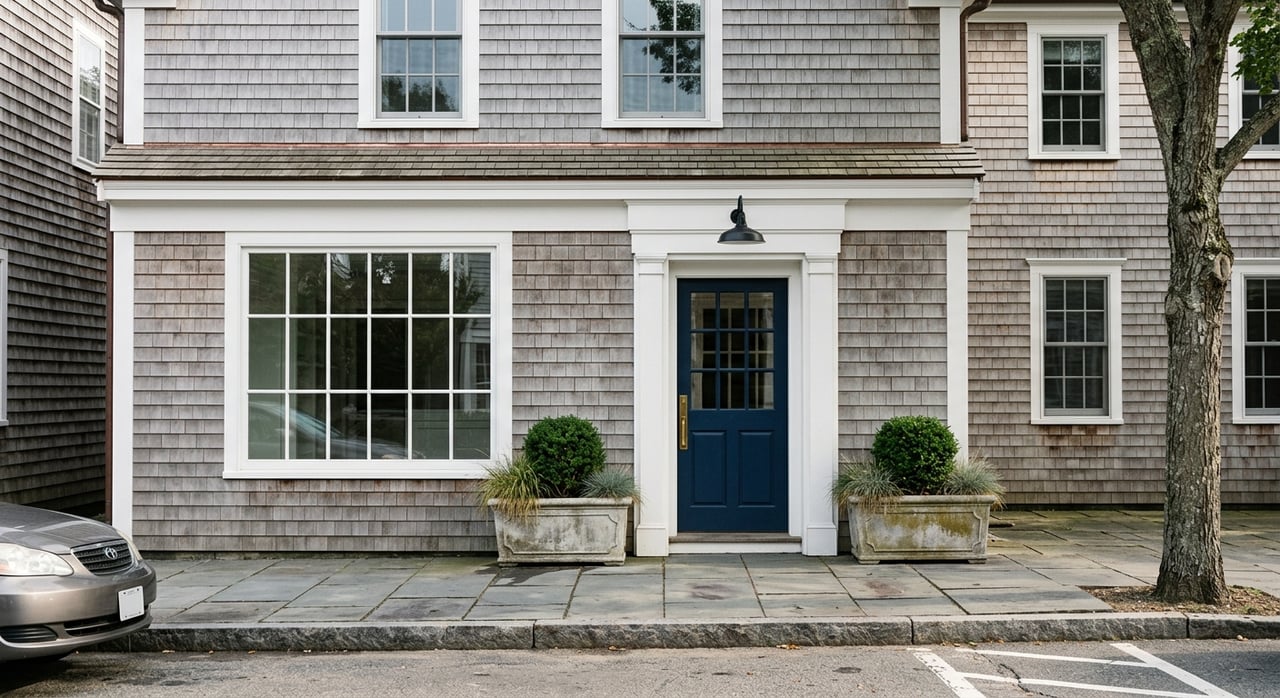
Looking for a small business location in Norwalk? The right address can shape how customers find you, how employees commute, and how smoothly your space gets approved for use. If you are comparing storefronts, offices, or mixed-use spaces, it helps to look beyond rent and focus on how each area supports your day-to-day operations. Let’s dive in.
Start With Business Fit
Choosing the right Norwalk location starts with one simple question: how will your business actually function there? A space that works well for a café may not work for a professional office, and a site that looks affordable on paper may create challenges with parking, signage, or approvals.
According to Norwalk for Business, Norwalk is a transit-connected regional center with four rail stations, access to I-95 and the Merritt Parkway, and a strong role in commerce, arts, culture, and entertainment. That means your location decision should reflect how customers, staff, and deliveries will move in and out of the property.
In most cases, the best site comes down to a few practical factors:
- Visibility from the street
- Parking access for customers and staff
- Transit and commuter convenience
- Nearby anchors that drive activity
- Zoning and permit requirements
Evaluate Visibility First
If your business depends on walk-in traffic, impulse visits, or a strong storefront presence, visibility matters right away. The easier it is for people to notice you, approach the property, and enter comfortably, the better your chances of building steady foot traffic.
Norwalk’s own Wall Street Corridor Improvements Project highlights just how important the street-level experience is. The project focuses on safer intersections, wider sidewalks, improved lighting, better pedestrian connections, and easier access to parking and transit in the downtown core.
That is a useful clue for any business owner. If you rely on passing customers, look closely at frontage, sidewalk activity, and how easily people can move between your space, parking, and nearby destinations.
Check Parking And Access
Parking can make or break convenience, especially if your business attracts short visits, appointments, or regular deliveries. Even in a walkable district, you want to understand what type of parking is available and how customers will use it.
Park Norwalk notes that the city has garages, municipal lots, and on-street parking across South Norwalk, Wall Street, and the railroad-station areas. The city also offers 15 minutes of free on-street parking, and monthly permits are available in several lots and garages.
If your operation includes heavier delivery needs, check the details early. Park Norwalk also notes a four-hour on-street limit for commercial vehicles 1.25 tons or greater, which can affect certain service or distribution-heavy businesses.
Consider Transit And Commuting
For employee-driven businesses, transit can be just as important as customer parking. A space near rail or bus connections may help you widen your hiring pool and make day-to-day commuting easier.
Norwalk Transit’s network centers on South Norwalk Station, East Norwalk Station, and the Burnell Boulevard hub. Route 3 serves Merritt 7, and Route 7 connects South Norwalk Station with Norwalk Hospital, ASML, and Wilton Center.
This matters because different parts of Norwalk serve different commuting patterns. If your business depends on office staff, healthcare workers, or rail commuters, station access may be a major advantage.
Look At Nearby Anchors
A strong location is not just about the building itself. It is also about what surrounds it and what brings people into the area on a regular basis.
Norwalk for Business points to major local anchors such as the Maritime Aquarium, the Wall Street Theater, Norwalk Hospital, and Merritt 7’s office park cluster. These kinds of destinations help shape daily traffic patterns, support lunchtime activity, and create demand for nearby services.
When you compare properties, think about whether nearby anchors support your business model. A destination retailer, for example, may benefit from cultural and entertainment traffic, while an office-based service may do better near employment centers or transit hubs.
Best Norwalk Areas By Business Type
South Norwalk For Foot Traffic
South Norwalk, often called SoNo, is one of the city’s best-known mixed-use districts. The city describes it as a vibrant dining, retail, and entertainment destination, with growth around Washington Street and the South Norwalk station, according to Norwalk for Business neighborhood information.
If your concept benefits from activity throughout the day and evening, SoNo may be a strong match. Restaurants, cafés, boutique retail, creative studios, and experiential businesses often align well with this kind of environment.
The tradeoff is that you need to evaluate parking, loading, lease terms, and any design or redevelopment review carefully. High-energy districts can be a great fit, but only if the space supports your operational needs.
Wall Street For Downtown Presence
Wall Street and the Belden area make up Norwalk’s historic downtown core. The city’s current work there focuses on sidewalks, public spaces, outdoor dining, transit access, and better links to parking, based on the Wall Street Corridor Improvements Project.
This area can work well for service businesses, professional offices, destination retail, and event-friendly concepts. Civic and cultural anchors like the library, theater, post office, and nearby park space add to the district’s visibility and activity.
If you want a downtown setting with public-facing appeal, Wall Street is worth serious consideration. Just make sure you confirm whether a specific parcel falls under added review requirements.
East Norwalk For Neighborhood Services
East Norwalk is described by the city as a more residential area with smaller commercial establishments and development around the East Norwalk train station, according to Norwalk for Business.
That profile often makes East Norwalk a practical choice for neighborhood services, smaller office uses, and businesses that want commuter access without the same density as SoNo or Wall Street. If your clients prefer convenience and a more modest-scale setting, this area may deserve a closer look.
It can be especially appealing if your business depends on repeat local visits rather than destination traffic. Think in terms of ease, consistency, and daily access.
Merritt 7 For Office Users
Merritt 7 is identified by the city as the largest corporate park in Fairfield County, with more than 1,000,000 square feet and major employers, according to Norwalk for Business. Combined with transit service to the area, it tends to be better suited for office, technology, back-office, and employee-driven uses.
This is usually not the first place to look if you need a traditional street-front retail setting. But if your business is more staff-centered than walk-in centered, Merritt 7 may offer a better operational fit.
In other words, choose Merritt 7 for workflow and commuter orientation, not for casual foot traffic. That distinction can save you time and money during your search.
West Norwalk For Regional Access
West Norwalk includes Norwalk Hospital, Norwalk Community College, commercial growth along Connecticut Avenue, and redevelopment attention along the Route 7 corridor, based on Norwalk for Business neighborhood details.
This side of town can suit larger-format retail, medical-adjacent services, and businesses that want strong vehicle access and regional reach. If your clients drive rather than walk, and you want visibility near major roadways, West Norwalk may offer the right setup.
For some businesses, this kind of access can matter more than a downtown address. It all depends on how your customers and staff are most likely to arrive.
Confirm Zoning Before Signing
Before you commit to any commercial property, verify that your intended use is allowed. This step should happen early, not after lease terms are negotiated.
The city’s Planning & Zoning Commission regulates land use through the zoning map and regulations. Norwalk notes that the current rules include a use table, sign standards, and village district guidelines.
You may also need to find out whether the property requires special permit approval, site plan review, or coastal area management review. If a space sits in a village district, redevelopment area, waterfront area, or flood zone, the review process may be different.
The city’s zoning regulations and map resources identify districts such as EVTZ, North 7, and Rowayton Avenue as village districts with separate design guidelines. South Norwalk, Wall Street, and West Avenue may also involve design or sign review through the Redevelopment Agency.
Understand Fit-Up And Sign Rules
Even if a commercial space looks move-in ready, there may still be approval steps before you can occupy it. This is one of the most common issues small business owners overlook.
According to Norwalk for Business local process guidance, a tenant fit-up is required to occupy a commercial space even if no construction is planned. The city also states that a zoning permit is required before a building permit.
Signage should be addressed early too. Norwalk says signage requires zoning approval, a plot plan, written consent from the owner or lessee, and an electrical permit if the sign is illuminated.
Build The Right Vetting Team
A good location search is rarely a solo exercise. The most successful business owners bring in the right local resources before making a final decision.
Norwalk for Business technical support information explains that the Business Development Center can help with space search, funding, state registration, and permitting or licensing. Planning & Zoning can confirm whether a use is allowed, Building & Code Enforcement handles inspections and tenant fit-up, the Fire Marshal reviews all businesses, and the Redevelopment Agency should be involved for projects in South Norwalk, Wall Street, or West Avenue.
This is also where a local real estate advisor can add value. Instead of comparing rent alone, you can compare each site based on access, signage, parking, review burden, and how well the property fits your specific business model.
Make A Practical Decision
The best Norwalk location for your small business is the one that supports how you actually operate every day. A lively district may be perfect for one concept and completely wrong for another, while a quieter office location may create better long-term results if it aligns with your staff, customers, and approval needs.
If you are weighing commercial properties in Norwalk or elsewhere in Fairfield County, working with a local advisor can help you ask better questions before you sign. To talk through your options with a relationship-first real estate professional, connect with Sandra Calise Cenatiempo.
FAQs
What should I look for when choosing a Norwalk business location?
- Focus on visibility, parking, transit access, nearby anchors, and whether zoning allows your intended use.
Which Norwalk area is best for a restaurant or boutique business?
- South Norwalk is often a strong fit for restaurants, cafés, boutique retail, creative studios, and experiential businesses because of its dining, retail, entertainment, and commuter activity.
Is Wall Street a good Norwalk location for professional offices?
- Wall Street can work well for service businesses and professional offices because it combines downtown presence, transit access, parking connections, and civic or cultural anchors.
Why does zoning matter for a Norwalk commercial lease?
- Zoning matters because you need to confirm your use is allowed and whether the property requires special permits, site plan review, coastal review, or added design review before occupancy.
Do I need approvals to move into a Norwalk commercial space?
- Yes. Norwalk states that a tenant fit-up is required to occupy a commercial space even if no construction is planned, and zoning approval is required before a building permit.
Which Norwalk area may work best for office or employee-focused businesses?
- Merritt 7 is often a better fit for office, technology, back-office, and employee-driven uses because of its corporate park setting and commuter orientation.